

The corset, once a symbol of structure and discipline, has evolved into a statement of empowerment,
craftsmanship, and individuality.
From the tightly laced silhouettes of the 16th century to the fluid, body-conscious designs of today,
corset making has transformed dramatically.
What remains constant, however, is the art of precision and the devotion to form.
Modern and traditional corset making may seem worlds apart,
but they share the same foundation: an understanding of structure,
anatomy, and fabric that shapes not just the garment but the confidence of the one who wears it.
A Stitch Through Time
Corsets have existed for centuries, changing with fashion, culture, and craftsmanship.
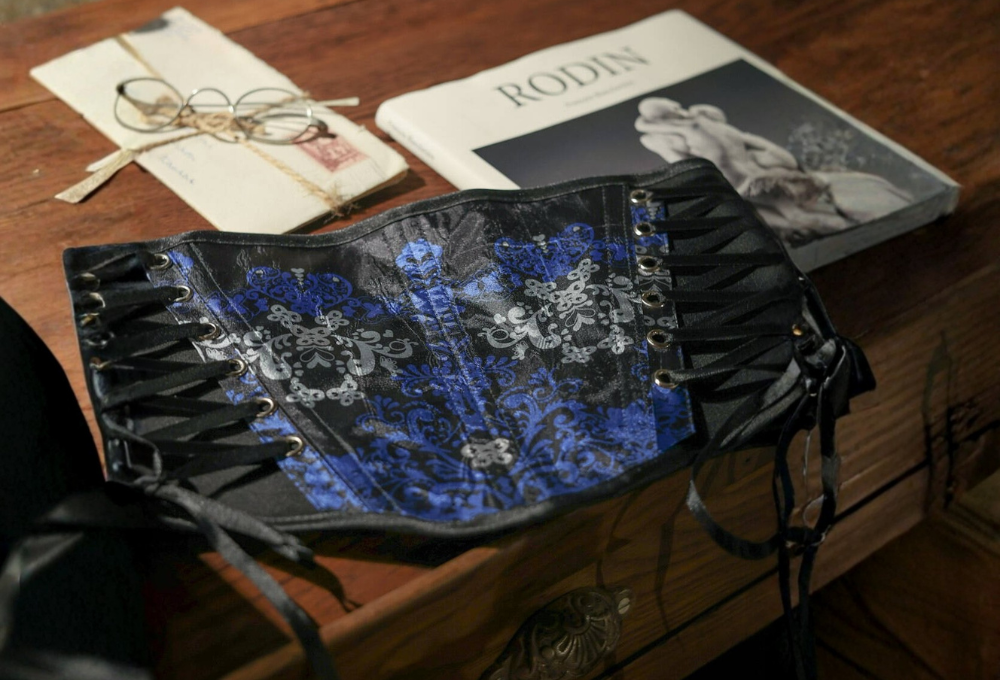
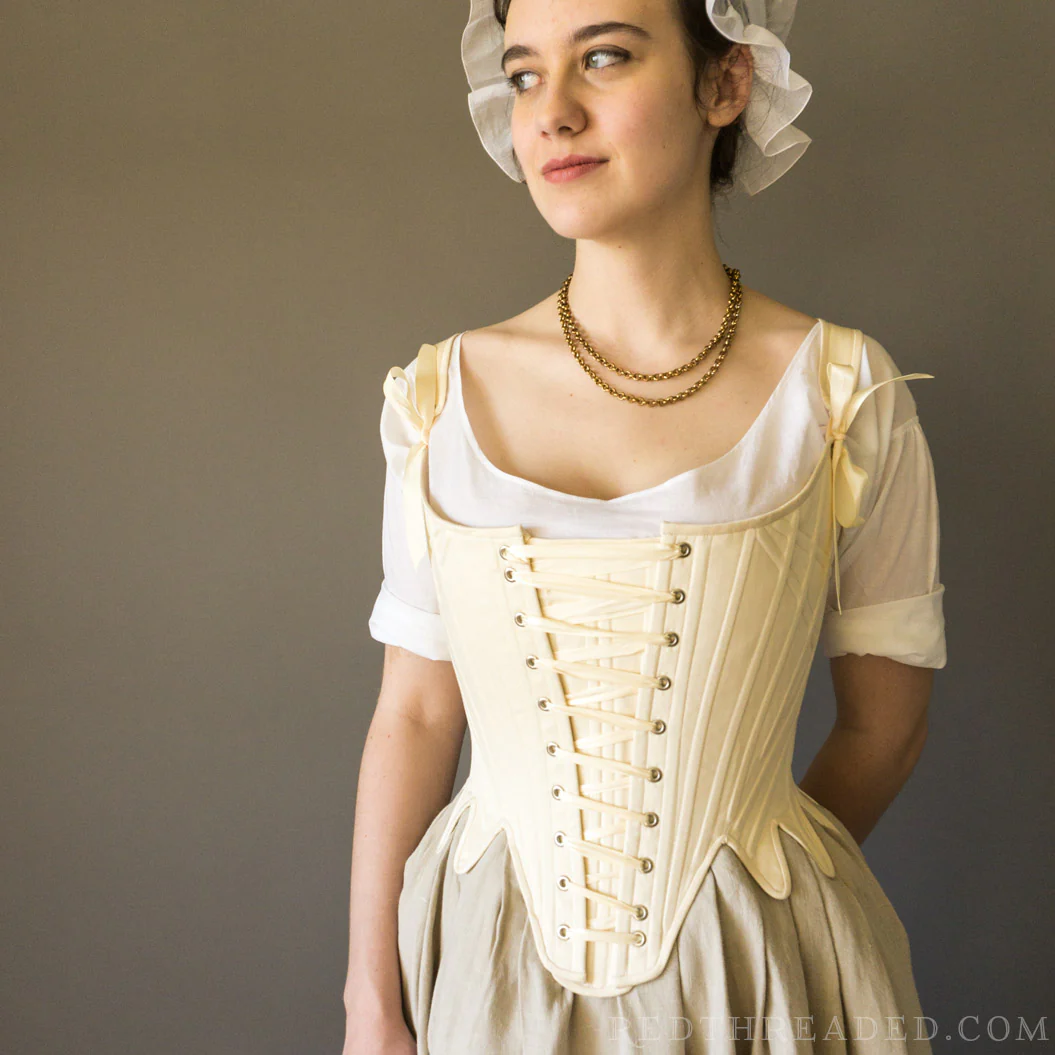
In traditional corsetry, every element was about structure and discipline.
The designs were constructed from sturdy woven fabrics like linen, silk,
or coutil, reinforced with whalebone or steel boning.
Each panel was carefully measured, shaped, and sewn to sculpt the body into
the ideal silhouette of its time: a narrow waist, lifted bust, and elongated torso.
Traditional corset making was an art of patience, hours of hand stitching, pattern drafting,
and fitting that demanded precision and expertise.
Yet as fashion evolved, so did the perception of beauty.
The corset slowly transitioned from a symbol of restriction to one of self-expression.
The Modern Shift
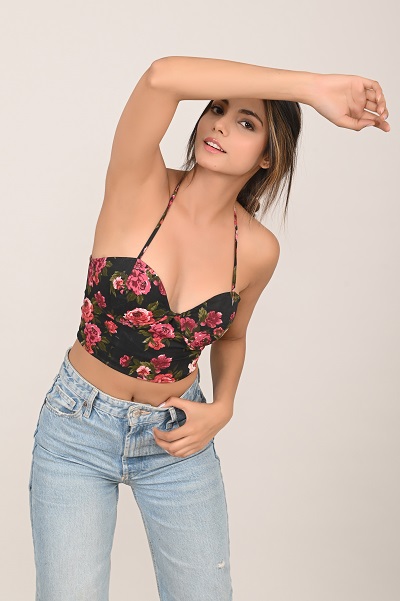
Modern corset making celebrates freedom as much as form.
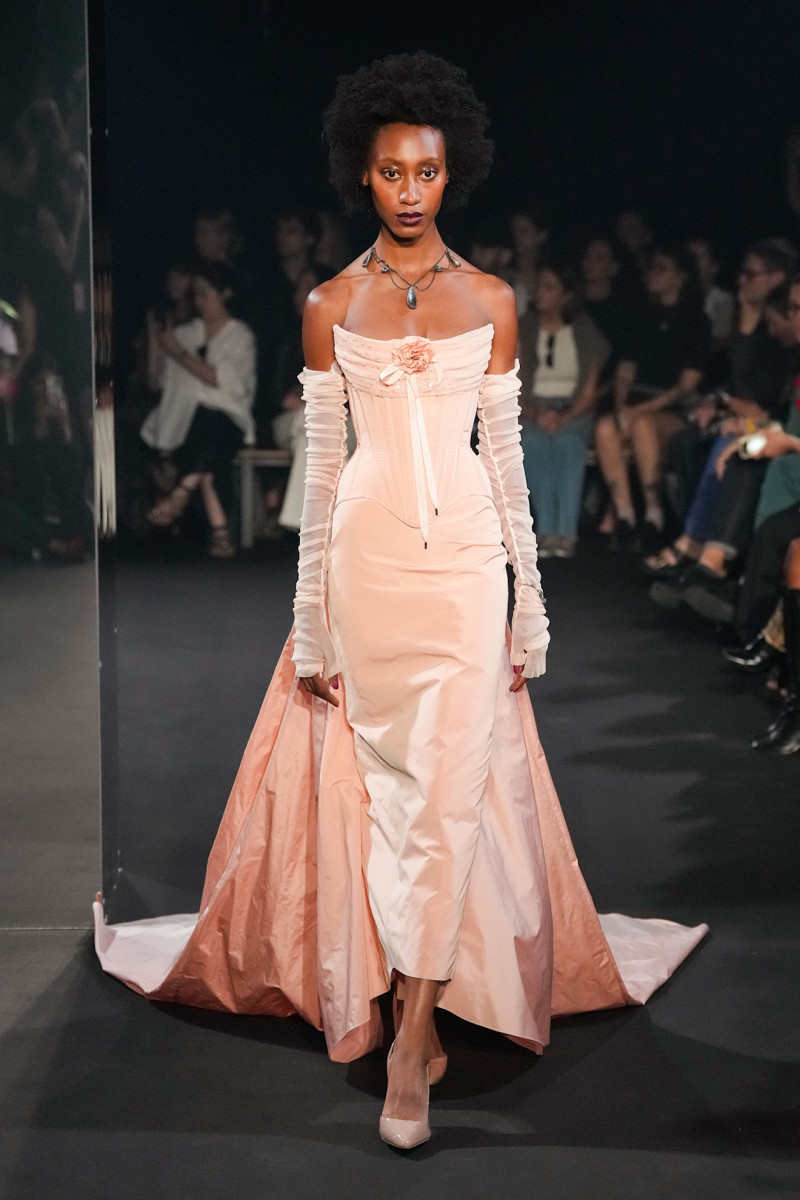
Designers today reinterpret the corset as an accent, a layer, or even a statement piece that enhances rather than confines.
Instead of focusing on reshaping the body, modern corsets focus on comfort, versatility, and individuality.
The shift in material choices has played a major role in this transformation.
While traditional corsets are made from firm woven fabrics that hold their shape,
modern ones often incorporate elastane, knits, or mesh materials that stretch, breathe, and move with the wearer.
This evolution reflects how design today prioritises wearability without compromising on structure.
Still, crafting a woven corset remains one of the most challenging feats in garment-making.
Woven cloth doesn’t stretch; it demands precision in every stitch,
perfect alignment in every seam, and an expert understanding of tension and fit.
For designers who master it, the result is a corset that feels architectural, refined, and timeless.
The Science of Structure
The heart of corset making lies in understanding structure.
Whether traditional or modern, a corset must follow the natural rhythm of the body,
balancing tension and comfort.
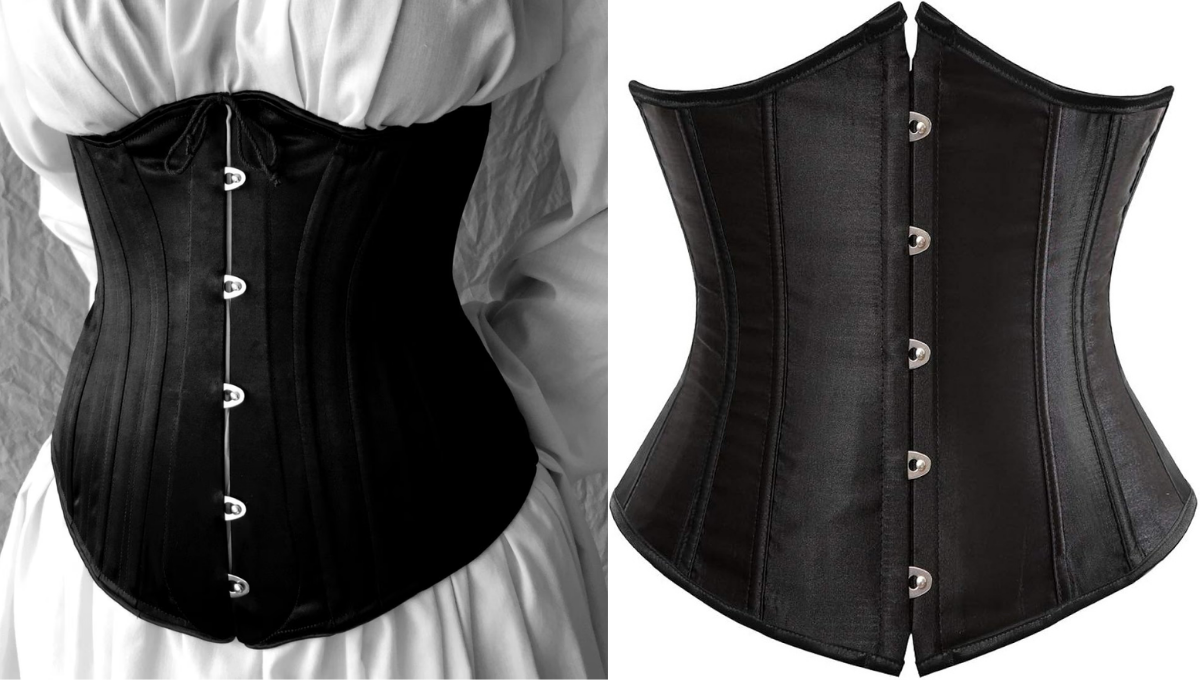
Traditional corsets rely heavily on:
- Multiple layers of woven fabric for strength
- Steel or spiral boning for structure
- Tight lacing for shaping and support
- Hand-finishing for durability
Modern corsets, on the other hand, use:
- Stretch-based fabrics like elastane and knits
- Plastic or flexible boning for comfort
- Softer construction techniques for ease of movement
- Experimental draping and layering for a contemporary silhouette
Both styles use an art known as advanced draping dimensions.
A method where the fabric is shaped and moulded over the body to create a naturally structured form.
This technique bridges tradition and modernity,
allowing designers to maintain structure while embracing softness and fluidity.
Why Traditional Techniques Still Matter
Even as technology reshapes fashion, the traditional art of corset making continues to inspire modern designers.
There’s something irreplaceable about the craftsmanship behind a hand-sewn, woven corset.
Each stitch carries knowledge of how tension works, how fabric moulds, how structure becomes beauty.
These details give woven corsets their signature strength and precision, something that stretch fabrics can only mimic.
For many couture designers, the challenge of working with woven fabrics isn’t just about difficulty; it’s about artistry.
It’s about honouring a legacy that began centuries ago and giving it a modern voice.
Merging Heritage with Innovation
The beauty of corset making today lies in its balance between heritage and innovation.
Some brands use sustainable woven fabrics, exploring biodegradable fibres like bamboo or recycled silk.
Others experiment with hybrid materials combining the stability of
woven cloth with the flexibility of knit panels to create dynamic, adaptive designs.
This fusion of old-world craftsmanship and new-age technology defines the modern corset.
It’s no longer about restriction; it’s about resilience. No longer about shaping the body; it’s about celebrating it.
The Final Thread
Modern and traditional corset making represent two sides of the same craft, one rooted in history,
the other driven by evolution.
Traditional corsets tell stories of precision and power, while modern ones speak of comfort and creativity.
But at their core, both forms share a singular purpose: to highlight the beauty of structure.
Whether it’s the firmness of woven couture or the stretch of soft elastane,
the essence of corsetry lies in how it makes you feel supported, confident, and strong.
Because true craftsmanship isn’t about choosing between the old and the new.
It’s about weaving them together one stitch, one curve, one story at a time.